




The night before we left, I did what I always do: I put the suitcase on the bed, felt very confident for about three minutes, and then started piling things on like I was preparing for a month-long expedition instead of a simple trip.
A second pair of shoes.
A third “just in case” sweater.
A book I definitely wouldn’t open.
Then I caught my own reflection in the mirror—older, yes, but also sharper. Wiser. More aware of what actually matters on the road. And I remembered the truth about traveling after 70:
You don’t travel lighter because you pack less.
You travel lighter because you know more.
Embrace Your Wisdom
When you’re younger, travel can feel like a race—get to the landmark, take the picture, move on. But after 70, the world becomes less of a checklist and more of a story you get to live inside.
Your wisdom is your quiet superpower. It helps you read a room, trust your instincts, and notice the small things—how a city smells at dusk, how a stranger’s face softens when you try their language, how your body tells you when it’s time to sit down and sip water. And wisdom keeps you safe. If something feels off, listen. Your inner voice has earned its authority. One of my most useful habits? I make sure someone back home knows where I am and how to reach me. Not because I’m anxious—because I’m smart. A simple check-in text each day turns worry into calm.
Embrace your wisdom. Let it enrich the trip.
Plan Thoughtfully (Because Sleeping in an Airport Loses Its Charm)
A successful trip starts long before the first boarding pass.
Before you go, talk with your healthcare provider—just a quick check to make sure you’re ready and to review medications, mobility considerations, and any vaccinations you might need.
Then plan like the seasoned traveler you are:
- Choose destinations that match your interests and your energy.
- Build an itinerary with space in it—room to breathe, to rest, to wander.
- And book accommodations early. Travel has been busy lately, and “no vacancy” is a phrase best avoided—especially when you’re old enough to know that sleeping in a car is not an adventure, it’s a mistake. My wife and I always thought travel after the school year would be less busy--so did about 20% of the population of the USA or 60 million seniors.
Here’s a trick I swear by: plan a “soft landing” day. The first day isn’t for conquering a city. It’s for arriving, eating something nourishing, settling in, and letting your body catch up.
The Unexpected Hero: Traveling With a Professional Caregiver
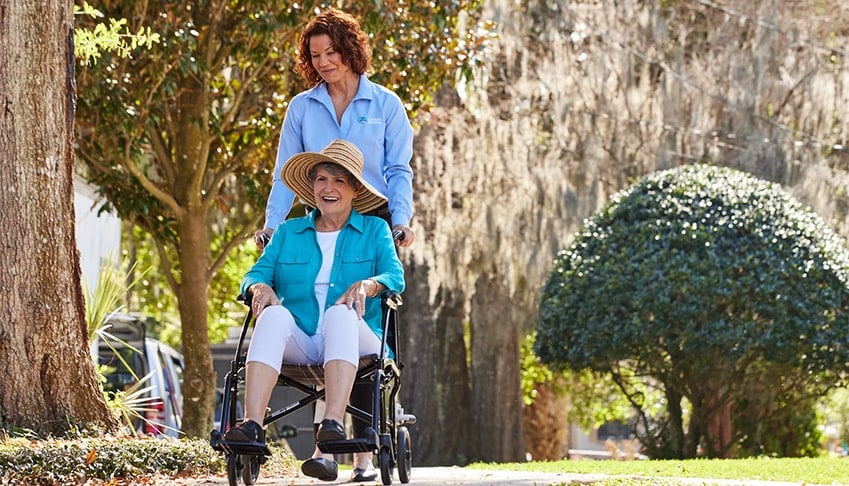
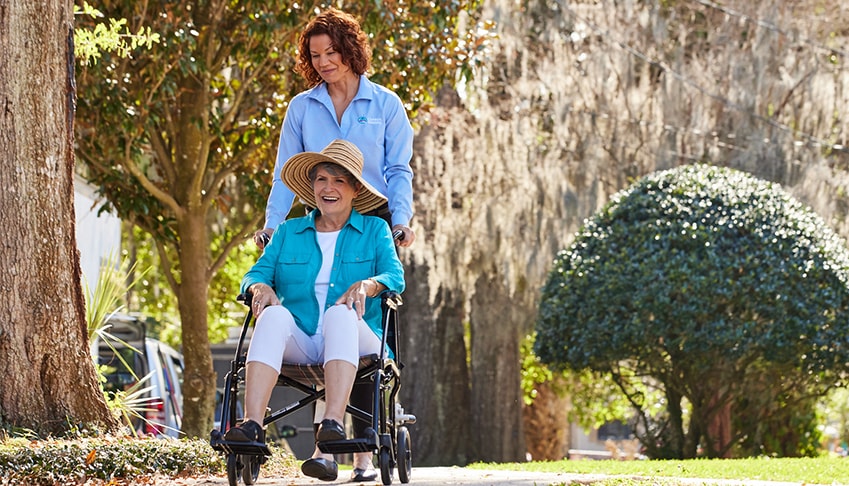
Some people hear “professional caregiver” and think it means the trip will feel smaller. But the right caregiver does the opposite. They can make your world bigger. I’ve seen it happen: someone who hadn’t traveled in years suddenly can—because now there’s support for the parts that used to feel overwhelming.
A professional caregiver can help with:
- Medication routines and reminders
- Mobility support (stairs, long corridors, getting in and out of vehicles)
- Dressing, bathing, or personal care if needed
- Pacing the day so you don’t overdo it
- Keeping an eye out in unfamiliar environments
- Being a calm, trained presence if something unexpected happens
And if you’re traveling with family? It can be transformative. Family gets to be family again—not the entire care team. Everyone relaxes. The trip becomes a vacation for everyone, not just a logistics puzzle.
The most important part is keeping it respectful and comfortable:
- Talk ahead of time about preferences, privacy, and boundaries.
- Decide what support looks like for you—gentle assistance, not takeover.
- Make a simple plan for emergencies and communication.
A caregiver doesn’t have to be the center of the trip. Often, the best caregivers are the ones who make everything feel easier while you stay yourself fully.
Travel Companions (And the “No Hard Feelings” Rule)
Traveling with friends or family can be wonderful—shared meals, shared laughter, shared stories you’ll retell for years. But even the best travel companions don’t always want to do the same things at the same time.
That’s why I love a “no hard feelings” plan. In our world, we use an “everyone is invited” rule:
- Anyone can announce what they’re doing.
- Anyone can join.
- No one gets offended if someone wants to nap, wander, or sit in a café and watch the world go by.
It’s simple. It’s kind. It saves friendships.
Pack Light and Smart (Your Back Will Thank You)
I went back to that suitcase and started removing things like I was peeling away stress. After 70, you learn a beautiful truth: you don’t need everything. You need the right things. Recently, my sister bought rocks at Gem World in Tuscon AZ, for her grandkids--my brother-in-law wasn't thrilled lifting them into the overhead compartment of the airplane for the flight home. Anything for the grandkids, and they were such pretty stones!
Bring:
- Comfortable, versatile clothes you can layer
- Supportive shoes you’ve already worn and trust
- Medications in your carry-on (always)
- A list of prescriptions, allergies, and emergency contacts
And here’s a modern miracle: take photos of key documents—insurance card, passport/ID, itinerary, medication list—so if something goes missing, you’re not starting from zero.
If you’re traveling with a professional caregiver, packing is easier too. Responsibilities can be shared, and nothing important slips through the cracks.
Travel Insurance (Read the Fine Print Like a Detective)
From personal experience, I’ve learned that my Medicare Advantage plan did not cover certain medical expenses I incurred while traveling in foreign countries, but my travel insurance did. That said, I still had to pay out of pocket at the time of service (using a credit card) and then wait several months to be reimbursed.
I’ve also seen how travel insurance can fall short in other ways. My wife and I once traveled with a friend who booked her trip separately. We purchased trip insurance, but when she became ill and had to cancel, the policy did not allow us to cancel our own trip. We either had to go or forfeit what we had already paid.
If you’re traveling as a group and one person can’t go, ask direct questions:
- What happens if a travel companion gets sick?
- If we booked separately, does that change anything?
- What documentation is required to cancel?
Insurance is only comforting when it matches your expectations—so make sure it does.
Slow Down and Savor
I used to think a “good trip” meant fitting in everything. Now I know better. A good trip feels like breathing. One meaningful activity a day is plenty. Alternate a walking tour with a bus tour the next day. Schedule rest like it’s part of the itinerary—because it is.
When you travel slowly, you notice more. And noticing is where the joy lives.
Consider Accessibility (Before You Fall in Love With the Photos)
A hotel can look perfect online and still be a pain in real life.
Before you book, check:
- Is there an elevator? Is it reliable?
- Are there lots of stairs?
- How far is the room from the lobby?
- Is the shower easy to step into?
Some destinations abroad can be tougher with uneven streets, narrow walkways, and limited accessibility. If mobility is a concern, a senior-savvy travel agent (and/or a professional caregiver) can make all the difference.
Local Cuisine, Stay Connected, Cherish the Moments
Eat the local food. Try the dish you can’t pronounce. Take the cooking class if you want to. Just keep dietary needs in mind and remember: hydration is not optional. Bring your phone. Sort out your international plan before you leave. Keep loved ones updated. And consider a medical ID option if you have a condition or take critical medications.
Then do the best part:
Cherish it.
Because traveling after 70 isn’t about proving you’re still young. It’s about enjoying the world with the gift of experience—and the confidence to shape the trip around what you need.
Go. Explore. Let the world surprise you again.