




In-home care and assisted living can both help reduce fall risk, but they do so in different ways. In-home care provides personalized assistance in the older adult’s own home during scheduled care hours. Assisted living provides a residential setting designed for accessibility, with staff available around the clock but generally shared among multiple residents.
Neither option prevents every fall, and neither is automatically the safest choice for every older adult. The right setting depends on when and why falls occur, the condition of the home, the person’s mobility and cognition, the amount of supervision needed, family availability, and cost.
Why Are Falls So Serious for Older Adults?
Falls are the leading cause of injury among adults age 65 and older. According to the Centers for Disease Control and Prevention, more than 14 million older adults—about one in four—report falling each year.
A fall can cause a hip fracture, head injury, hospitalization, or a lasting loss of mobility. Even when a fall does not cause a serious physical injury, it can affect confidence and independence. An older adult who becomes afraid of falling may walk less, avoid activities, or withdraw socially. Reduced activity can then contribute to weakness and balance problems, increasing the likelihood of another fall.
The CDC reports that falling once doubles an older adult’s chance of falling again. This makes it important to address fall risk early, before one incident begins a cycle of fear, inactivity, weakness, and additional falls. Families may also find it helpful to understand why beginning home care earlier can sometimes prevent larger care needs and expenses later.
Can In-Home Care Help Prevent Senior Falls?
Yes. In-home care can help reduce fall risk by providing individualized assistance with the daily activities and situations in which an older adult is most likely to fall. Depending on the person’s care plan, a trained caregiver may assist with:
- Walking and mobility within the home
- Getting into or out of bed and chairs
- Bathing, dressing, grooming, and toileting
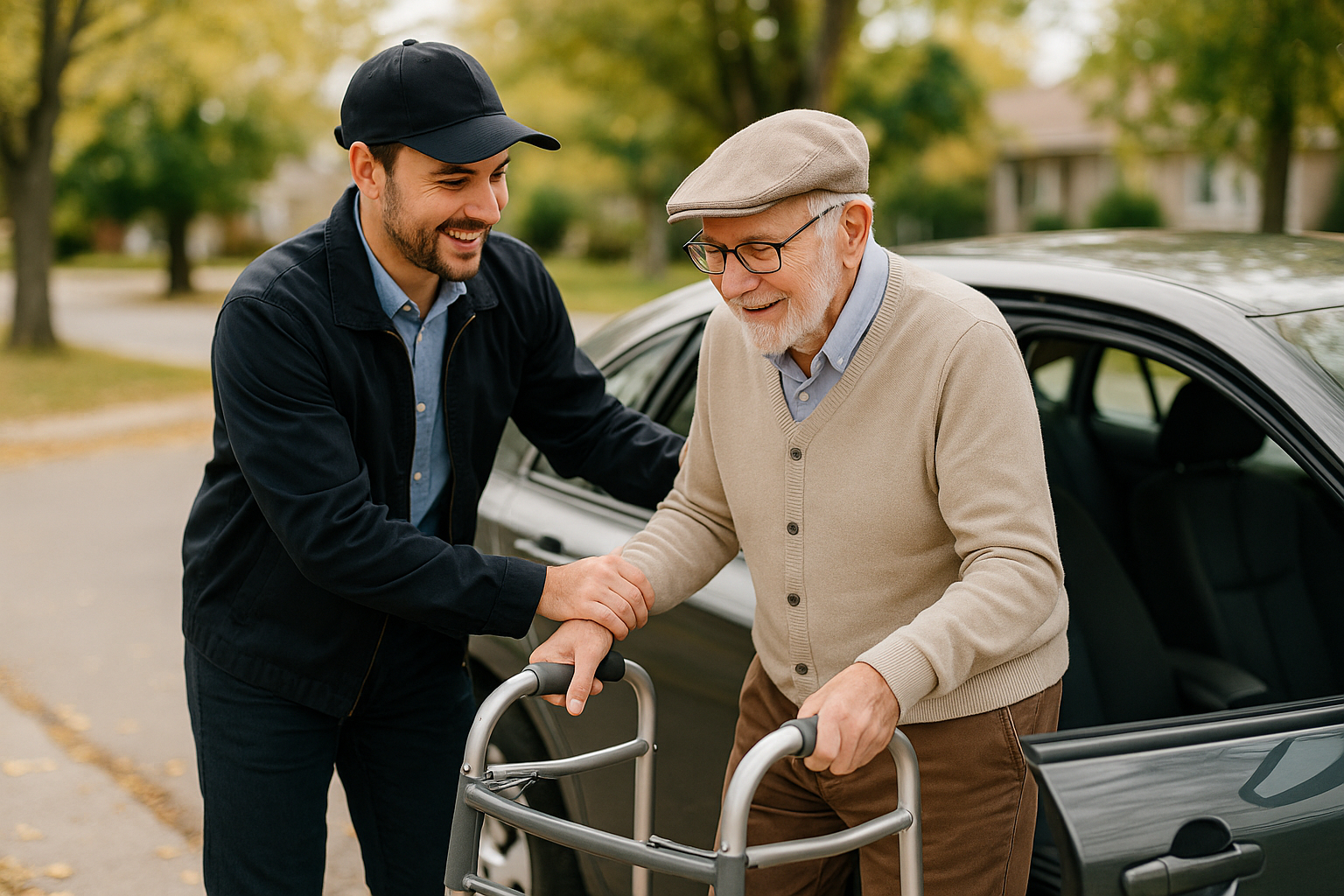
- Safe use of a walker or cane
- Meal preparation and hydration
- Medication reminders
- Transportation and errands
- Following an established daily routine
- Noticing and reporting changes in mobility, balance, or behavior
The primary advantage is individual attention during the caregiver’s scheduled time in the home. The caregiver can become familiar with the older adult’s routines and recognize patterns, such as dizziness after standing, fatigue late in the day, rushing to the bathroom, or increased confusion at night.
This support is especially valuable when falls or near-falls tend to occur during predictable activities. A family might schedule care during morning bathing and dressing, evening transfers, or overnight bathroom trips rather than paying for assistance at times when the older adult is normally more independent.
In-home care does not replace medical care, physical therapy, occupational therapy, or emergency services. Caregivers can, however, reinforce safe routines and encourage exercises or mobility techniques when those activities are included in the care plan and directed by an appropriate healthcare professional.
How Can a Caregiver Make a Home Safer?
A familiar home can support confidence and routine, but familiarity alone does not make a home safe. Older homes may contain stairs, uneven flooring, poor lighting, narrow pathways, or bathrooms that were not designed for someone with limited mobility.
An in-home caregiver can help the older adult and family notice practical hazards, including:
- Loose rugs, electrical cords, or clutter in walking paths
- Poor lighting between the bedroom and bathroom
- Missing or improperly placed handrails
- Slippery bathroom surfaces
- Frequently used items stored too high or too low
- Furniture that is difficult to rise from safely
- Walkers or canes that are not kept within reach
- Pets or small objects that may create tripping hazards
Families can then make appropriate changes themselves or work with an occupational therapist, contractor, or other qualified professional. Improvements may include brighter lighting, motion-activated nightlights, secure handrails, professionally installed grab bars, nonslip surfaces, improved furniture placement, or a medical alert device. Smart-home devices may provide an additional layer of support, but technology should supplement—not replace—appropriate personal assistance.
How Does Assisted Living Address Fall Risk?
Assisted living communities are generally designed with accessibility and resident safety in mind. Common features may include:
- Handrails in hallways
- Grab bars and accessible bathrooms
- Level walking surfaces
- Emergency call systems
- Planned meals and medication services
- Staff assistance with personal care and mobility
- Organized activities and opportunities for social interaction
In Minnesota, assisted living facilities must have at least one qualified person awake and available on-site 24 hours a day. Staffing must be sufficient to meet residents’ assessed needs, including reasonably foreseeable unscheduled needs. Minnesota does not use one universal resident-to-caregiver ratio for every assisted living facility; staffing depends on resident acuity, service plans, the building’s layout, and other operational factors. Families can review the Minnesota Department of Health’s assisted living guidance when evaluating a community.
Assisted living’s main advantage is that staff and assistance are available within the residential setting around the clock. This can be important for someone who cannot safely remain alone, has needs throughout the day and night, or lives in a home that cannot reasonably be modified.
However, assisted living staff normally support multiple residents. A resident may receive scheduled assistance and help after requesting it, but generally does not have a caregiver continuously present for that resident alone. The quality and timeliness of assistance can vary based on the community, the resident’s service plan, current staffing, and other residents’ needs.
In-Home Care vs. Assisted Living for Fall Prevention
| Consideration | In-home care | Assisted living |
|---|---|---|
| Care setting | The older adult’s own home | A residential care community |
| Caregiver attention | Typically individualized during scheduled care hours | Staff attention is generally shared among residents |
| Staff availability | Based on the arranged schedule; may range from a few hours to 24-hour care delivered in shifts | Qualified staff are available on-site around the clock |
| Physical environment | Familiar, but may require safety modifications | Generally designed with accessibility and communal safety features |
| Daily routine | Can be highly personalized | Usually includes community schedules for meals, care, and activities |
| Social opportunities | Companionship from caregivers and planned outings; family may need to coordinate additional activities | Built-in access to other residents, meals, and organized activities |
| Best suited for | Someone who can remain safely at home with the right level of scheduled assistance | Someone who needs a supportive residential setting or frequent access to shared staff |
| Important limitation | The person may be alone outside scheduled care hours unless family or 24-hour care is arranged | Staff are not normally dedicated continuously to one resident |
When Might In-Home Care Be the Better Choice?
In-home care may be a good option when an older adult:
- Wants to remain in a familiar home and community
- Needs help during identifiable high-risk periods
- Benefits from one-on-one assistance and consistent routines
- Has a home that is already accessible or can be modified
- Has family members who can participate in the care plan
- Can be safely alone during hours when a caregiver is not present
- Needs companionship or personal-care assistance in addition to fall-risk support
For some families, care begins with a few scheduled visits each week and increases as needs change. The ability to adjust the schedule can make home care a practical choice when support needs are significant but not constant. It can also promote engagement and independence by helping the older adult continue participating in daily routines. Learn more about the benefits of in-home care for senior engagement and well-being.
When Might Assisted Living Be the Better Choice?
Assisted living may deserve serious consideration when an older adult:
- Cannot safely remain alone for meaningful periods
- Needs frequent assistance throughout the day and night
- Lives in a home with stairs or structural barriers that cannot be reasonably corrected
- Has increasing cognitive impairment, wandering, or difficulty calling for help
- Is socially isolated and would benefit from a community setting
- Needs services that would be difficult or financially impractical to coordinate at home
- Does not have nearby family or another reliable support system
Some people with advanced dementia, complex medical needs, or severe mobility limitations may require memory care, skilled nursing, or another level of care beyond traditional assisted living. A clinical assessment can help determine the appropriate setting.
What Should Families Consider After a Fall?
A fall is a reason to investigate—not simply an unavoidable part of aging. Families should discuss the incident with the older adult’s healthcare provider, especially when there was a head impact, injury, dizziness, loss of consciousness, or a new change in walking or behavior.
A thorough evaluation may include:
- A review of medications that may contribute to dizziness or drowsiness
- Vision, hearing, blood pressure, strength, and balance assessments
- Evaluation of footwear and assistive devices
- A home-safety assessment, potentially involving an occupational therapist
- Physical therapy when clinically appropriate
- A review of hydration, nutrition, and nighttime bathroom needs
- A plan for obtaining help during high-risk activities
Families should also ask when falls or near-falls occur. A person who is unsteady mainly during bathing may need a different care schedule than someone who wanders or attempts unsafe transfers throughout the night.
Frequently Asked Questions About Home Care and Fall Prevention
Does having a caregiver guarantee that an older adult will not fall?
No. No caregiver, technology, or residential setting can eliminate every fall. In-home care can reduce avoidable risks by providing assistance, observation, reminders, and support during scheduled care hours.
Is home care safer than assisted living for someone at risk of falling?
Not in every situation. Home care may provide more individualized attention during scheduled hours, while assisted living offers an accessible residential setting and staff availability around the clock. The safer option depends on the individual’s needs and environment.
Can an in-home caregiver help someone use a walker?
A caregiver can remind and assist a client to use a walker according to the client’s care plan and professional instructions. A physical therapist or other qualified healthcare professional should evaluate, select, and properly fit mobility equipment.
Can home care be provided overnight or 24 hours a day?
Yes, when the provider offers those schedules and appropriate caregivers are available. Twenty-four-hour home care is normally provided by caregivers working scheduled shifts rather than by one caregiver living in the home. Availability and minimum scheduling requirements vary by provider.
Does Medicare pay for nonmedical in-home care?
Medicare generally does not pay for ongoing nonmedical assistance or supervision by itself. Coverage may be available for limited home health services when eligibility requirements are met. Long-term care insurance, veterans’ benefits, Medicaid programs, or private payment may help cover care, depending on the person’s eligibility and policy terms.
When should a family request a professional fall-risk assessment?
A professional assessment should be considered after a fall or near-fall, when an older adult begins holding onto furniture, has difficulty rising from a chair, becomes less active because of fear, or experiences new dizziness, weakness, confusion, or changes in walking.
Personalized In-Home Care in Anoka County and the Northern Twin Cities
Comfort Keepers provides personalized in-home care for older adults in Blaine, Anoka, Andover, Coon Rapids, Ham Lake, Ramsey, and surrounding Minnesota communities. Depending on the care plan, our caregivers can assist with personal care, mobility, transfers, meal preparation, medication reminders, companionship, transportation, and other daily activities that may become more difficult when an older adult is at risk of falling.
If you are deciding between in-home care and assisted living, begin with an honest assessment of your loved one’s needs, the safety of the home, and the hours when help is most important. Comfort Keepers can explain what scheduled one-on-one support would look like at home and help your family determine whether in-home care is an appropriate part of the safety plan.
This article provides general educational information and is not a substitute for medical advice, diagnosis, or treatment. Contact a healthcare professional about an individual’s fall risk. Call 911 after a fall involving a serious injury, loss of consciousness, or other emergency symptoms.